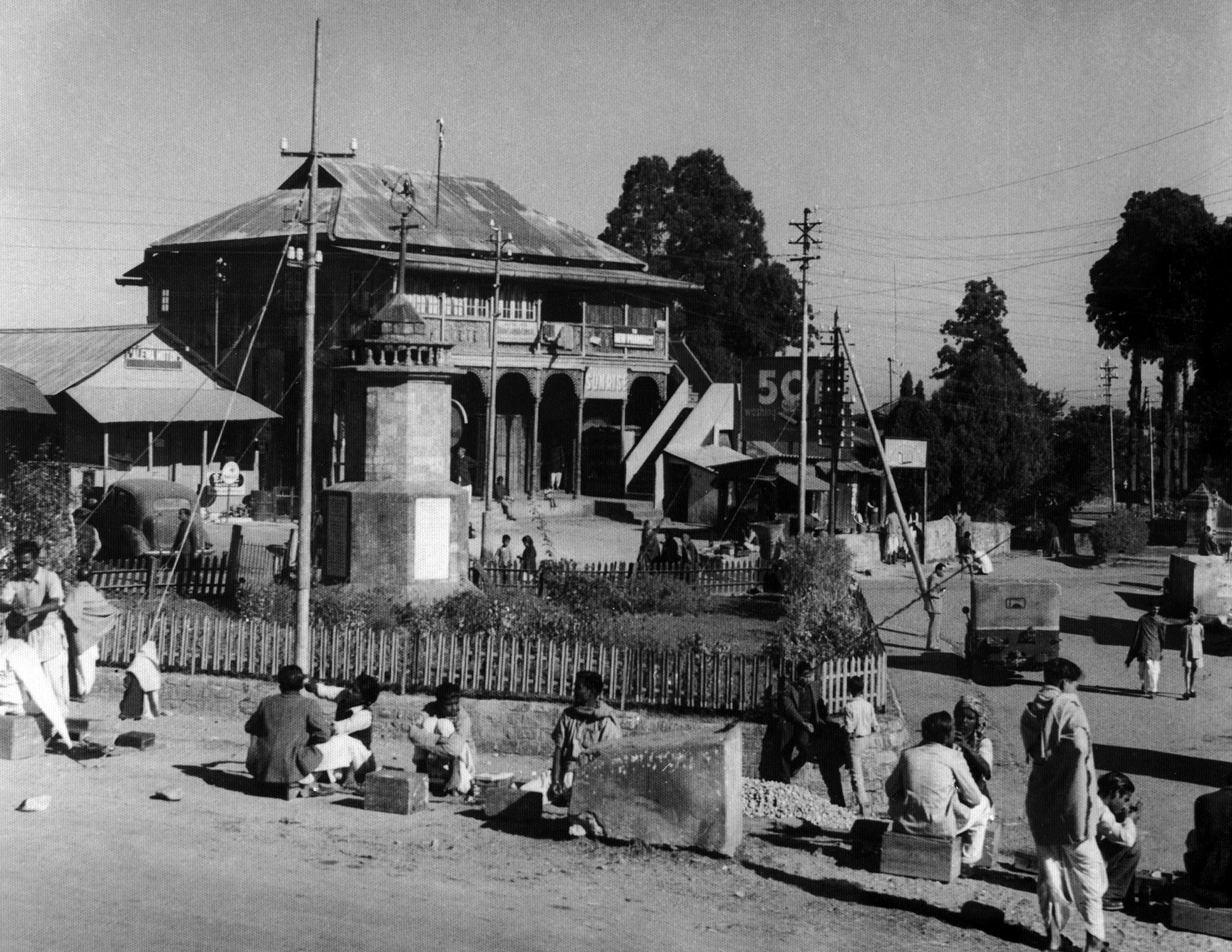
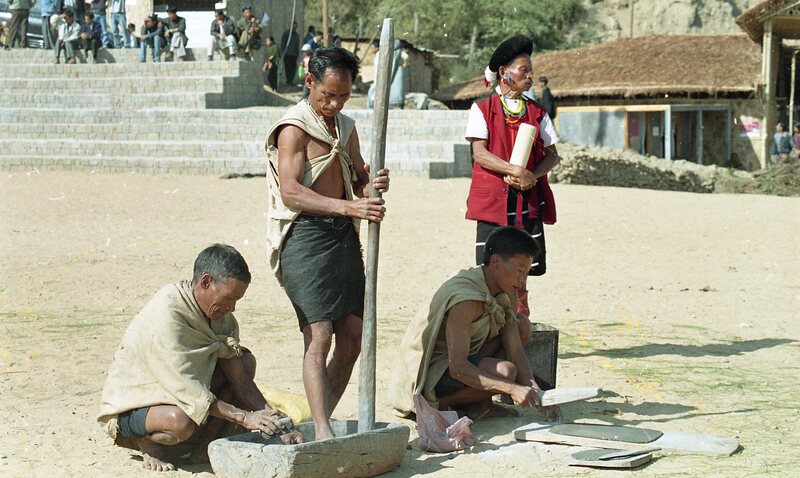
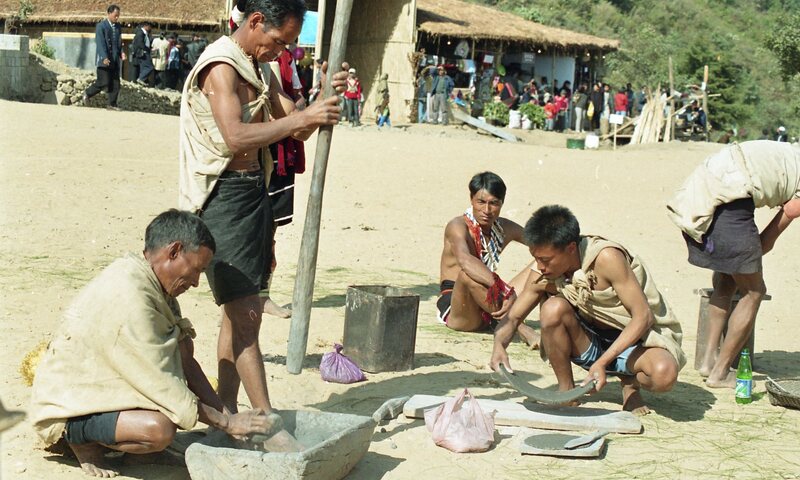
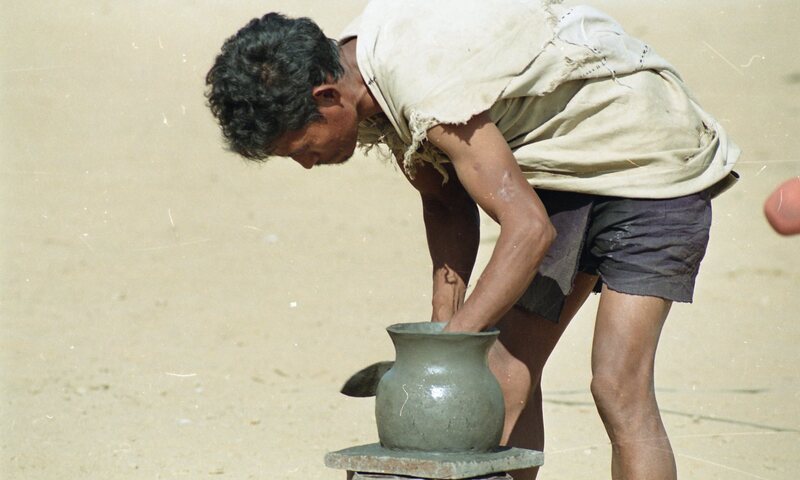
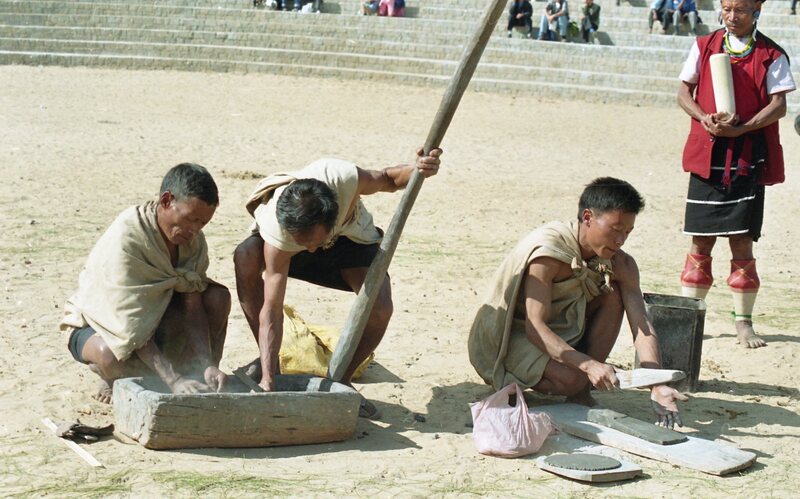
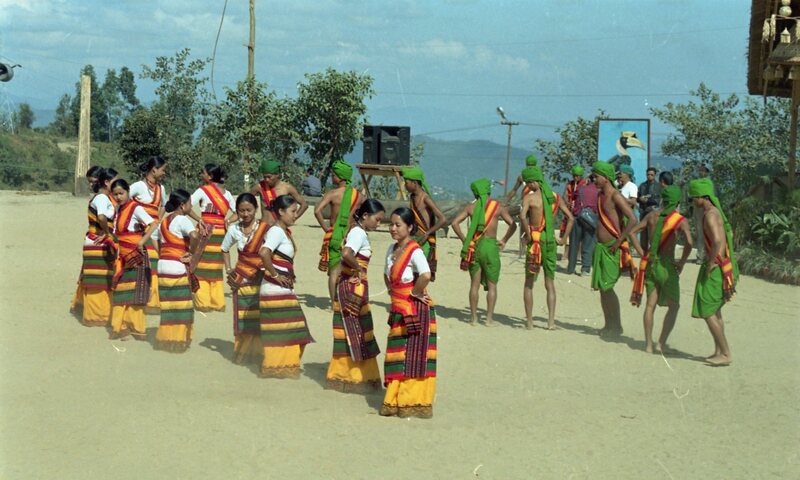
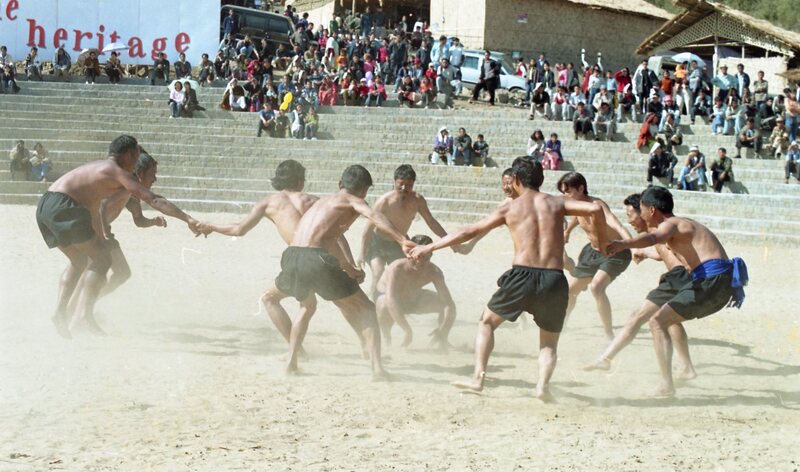
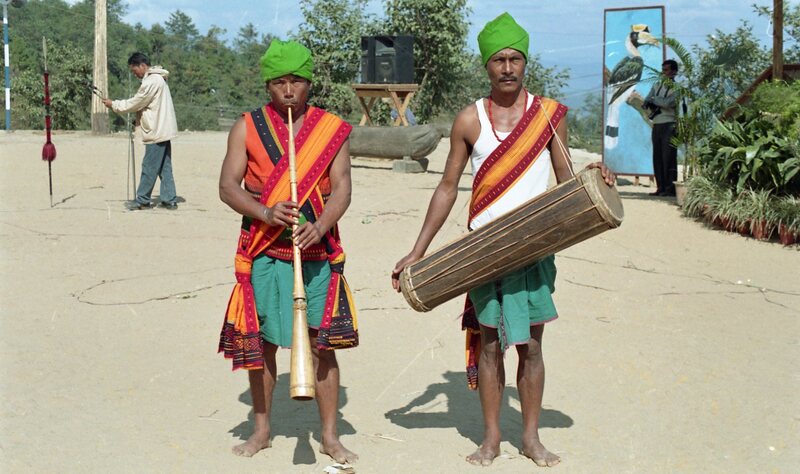
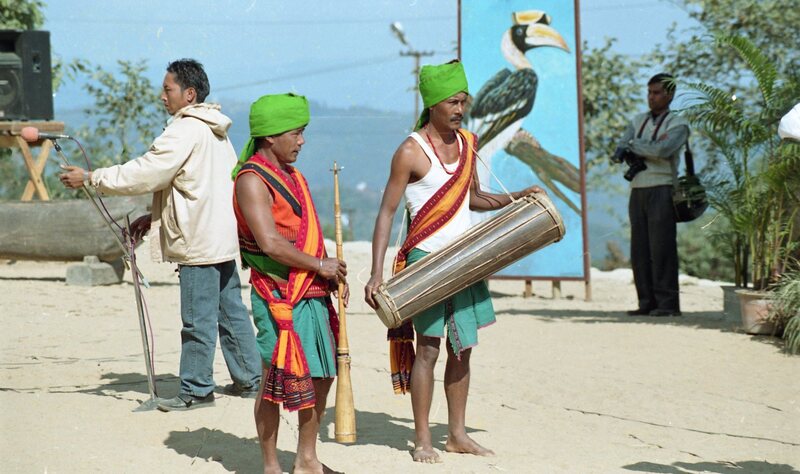
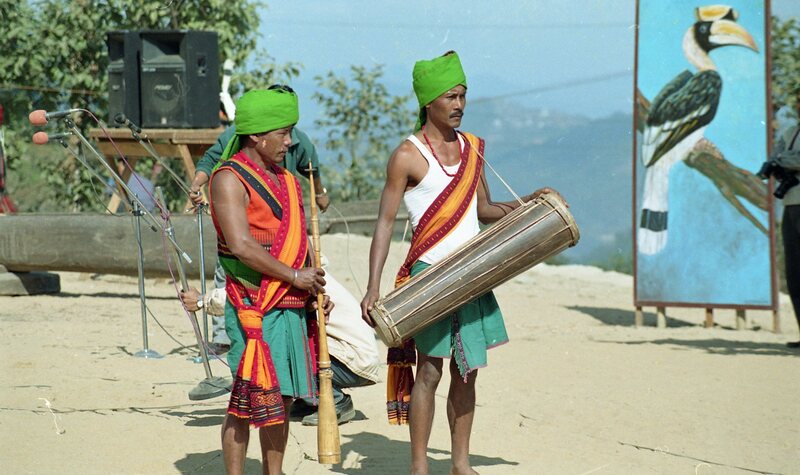
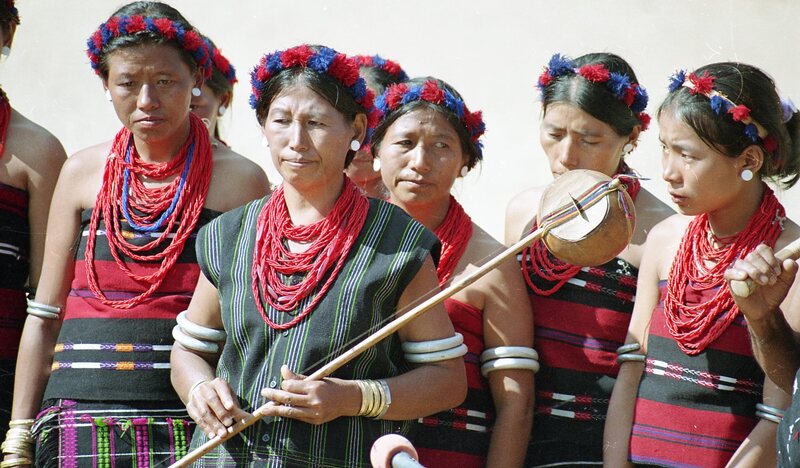
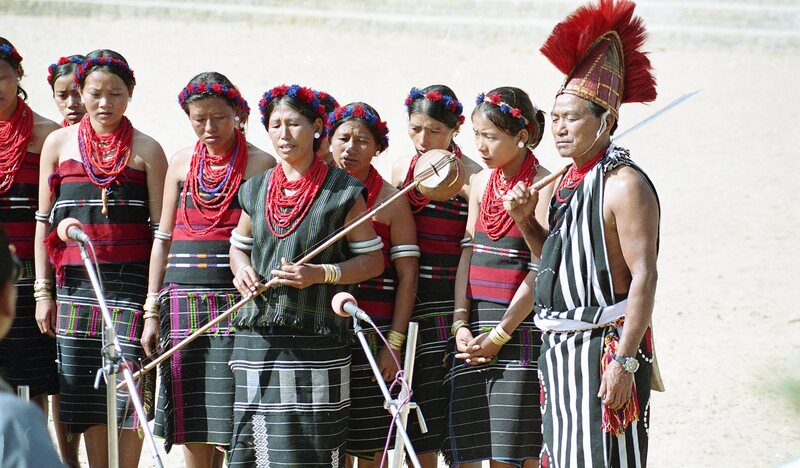
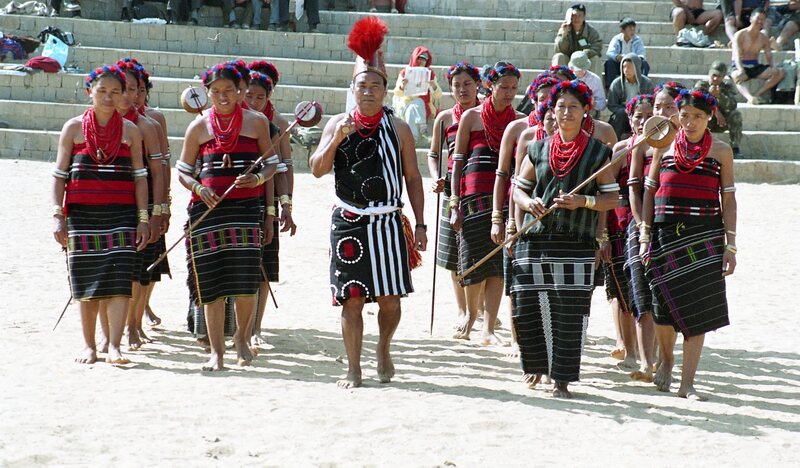
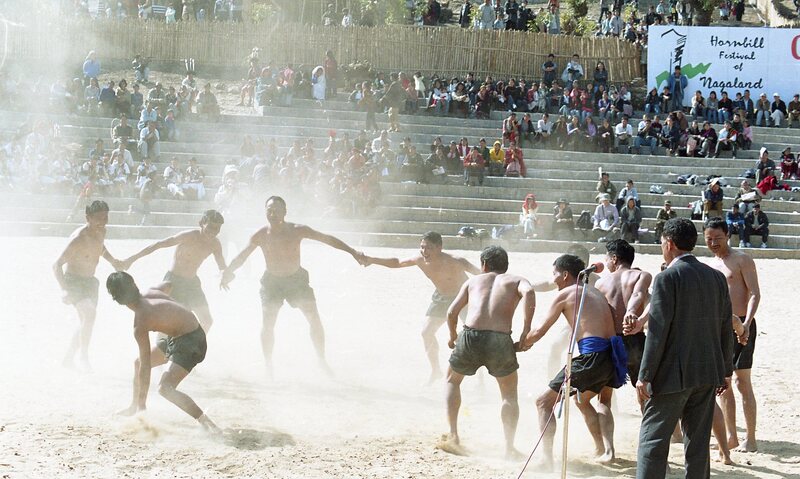
"The Quest for the Brahmaputra" is a journey along the course of Brahmaputra, the largest river in India. Originating from Tibet as river Tsang-Po, Brahmaputra travels through the hills and plateaus of Tibet, entering the plains of Assam and finally merges with the Bay of Bengal through Bangladesh. Changing its name six times throughout its journey, the Brahmaputra is equivalent to Navarasa, the nine emotions; sometimes calm and silent, as if in a meditative mood, sometimes destructive like a monster. The film portrays the culture and livelihoods that have flourished along the river. Over half a million people are dependent on the river, which also has religious importance in their lives 'The Quest for the Brahmaputra' is a quest that ends with the silent answer from a fisherman, when asked about their dependence even though the river is so destructive.
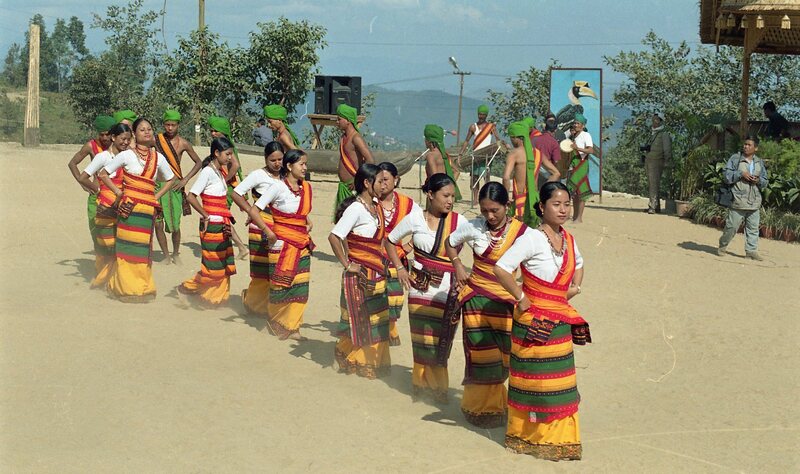
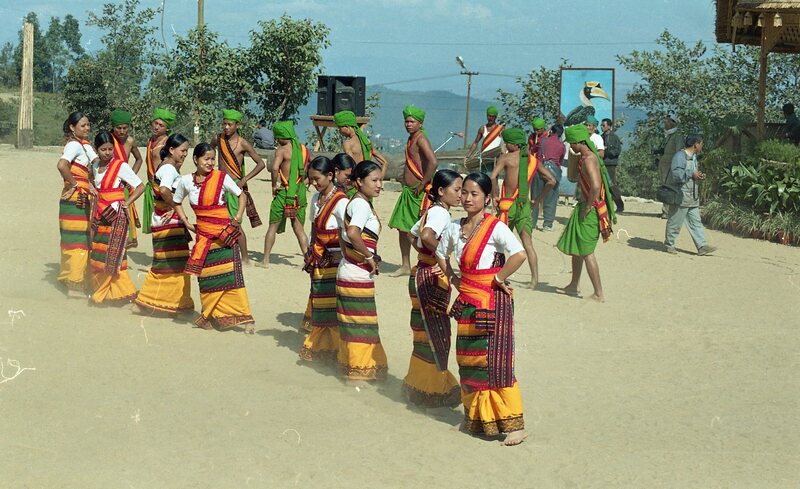
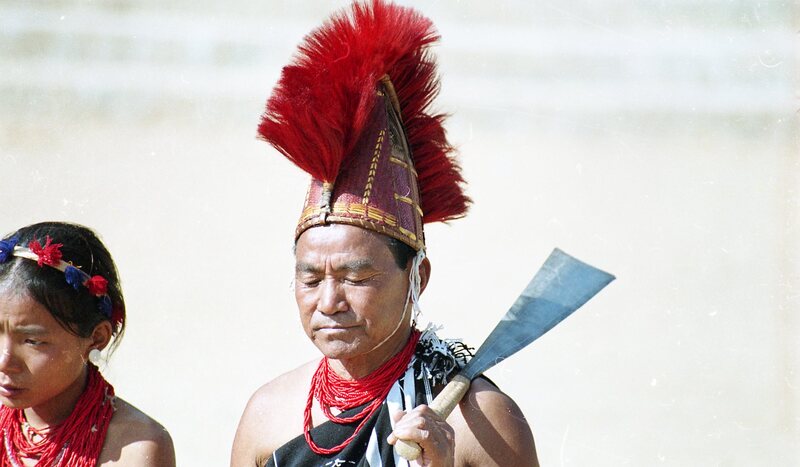
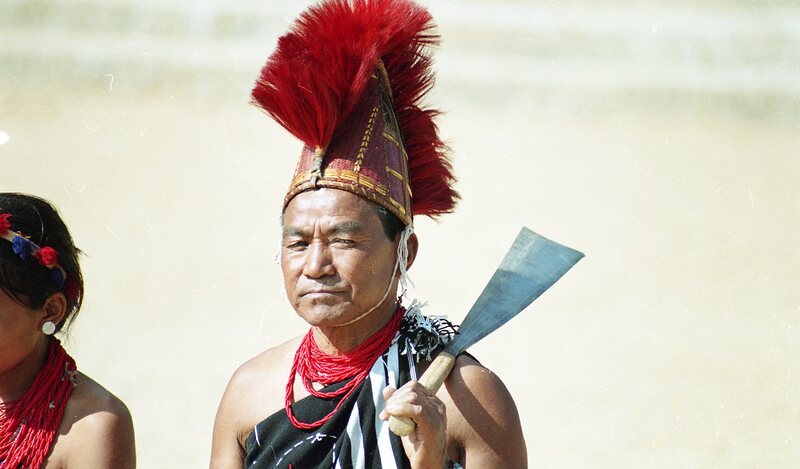
The film traces the different cultures and lifestyles on the banks of 900 km long journey of the river Brahmaputra in India. The river starts its journey in the Tibetan Plateau as Tsang-Po, enters India flowing through the north-eastern states of Arunachal Pradesh and Assam and exists to Bangladesh flowing out into the Bay of Bengal as Padma. In India the river supports the living cultures and livelihoods of 30 million people of different ethnicity. The film presents a series of cultural practices that are dominated by the river. The film also explores several myths related to the river. The film uses the meandering river to explore the cultural, political and economic life of the people who live on the riverbanks.
The Film gives an insight into the lives of three Manipuri Jews living in a turbulent, neglected part of the country where their steadfast belief and strict practice of Orthodox Judaism offer them a glimpse of a better life.