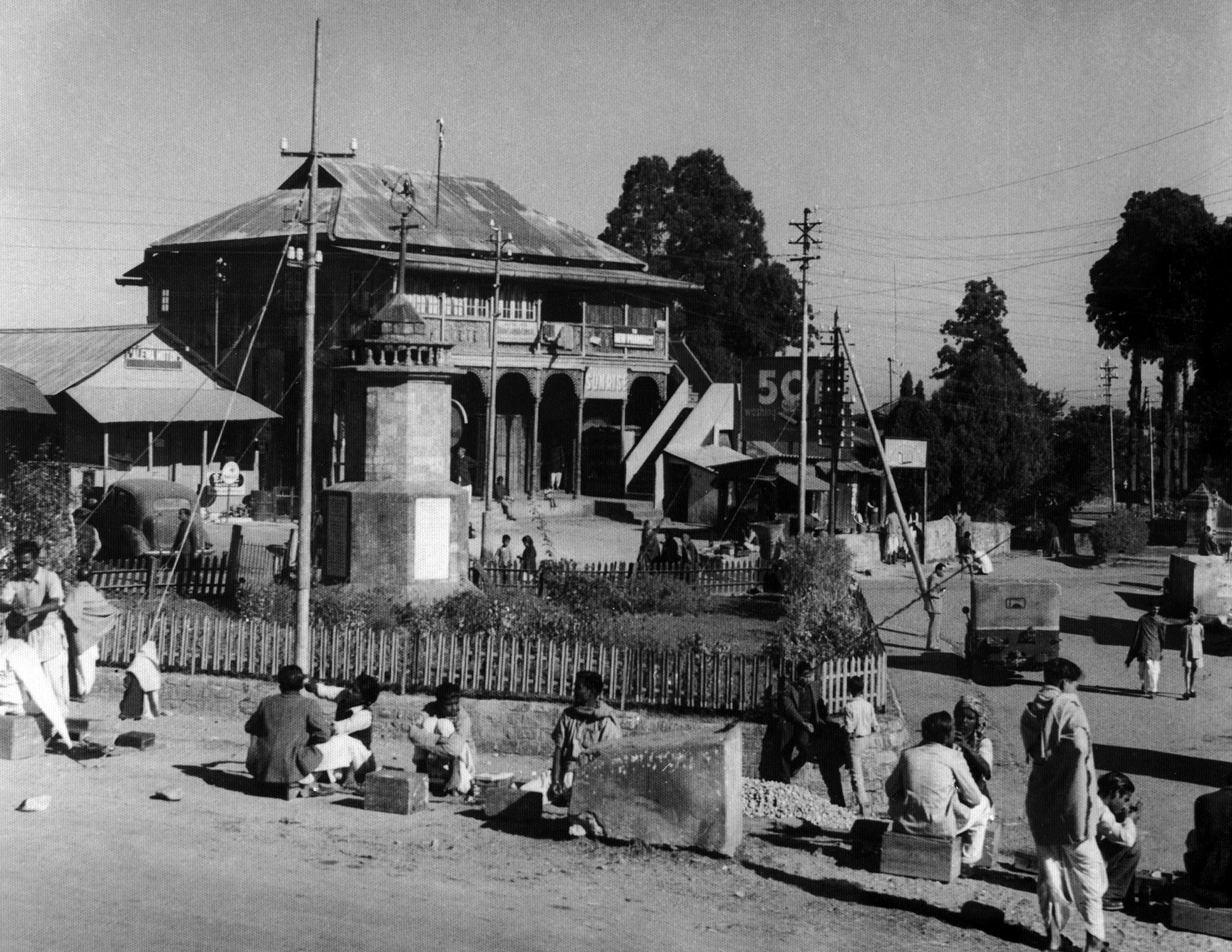
Chinese Indians are located in different parts of India. Some of them lived in Shillong. During the Indo-China War many of them were put in prison, imported to different part of the country. There were few of them who returned to Shillong and lived there.
For Suren Boro and 650,000 people living in 126 villages of Bodoland in the southern side of the River Pagladia, the river is a living god called "Pagla Baba". Situated near Indo-Bhutan international border of Assam, the river runs from the west to the east contrary to the locations of the villages in the south. The majority population is ethnic Bodo. Round the year they remain engaged in pushing the river down south, for every use of water - drinking, household, irrigation. There is no other source such as a tube well, dug well, or water stream. Since the 1920s, they have constructed 13 bunds (embankments) with whatever materials at their disposal - boulders, stones, sand, trees, climbers, straw. Tarpaulin and plastic sheets are the latest inclusion in their armory. The entire arrangement is controlled, maintained and regulated by a registered society since 1954. During the work of repairing a bund, Suren gets the news that his wife has fallen sick. He returns home immediately and finds his wife in labour. In the hospital, she gives birth to a son. Meanwhile the villagers have nearly completed repairing the bund and are preparing to allow the water to flow. The next morning when the water reaches the channel near Suren's house, his wife performs ablution of the new born baby with the water of Pagla Baba. The Baba has blessed them with the child.
The roads in every nook and corner are packed with cars. Everyone is trying to rush to reach to their destinations, whether in work places, home or schools, etc. Vehicles in Shillong are increased everyday but the roads remain the same. Therefore, no one can avoid trafffic if you are passing through Shillong city.
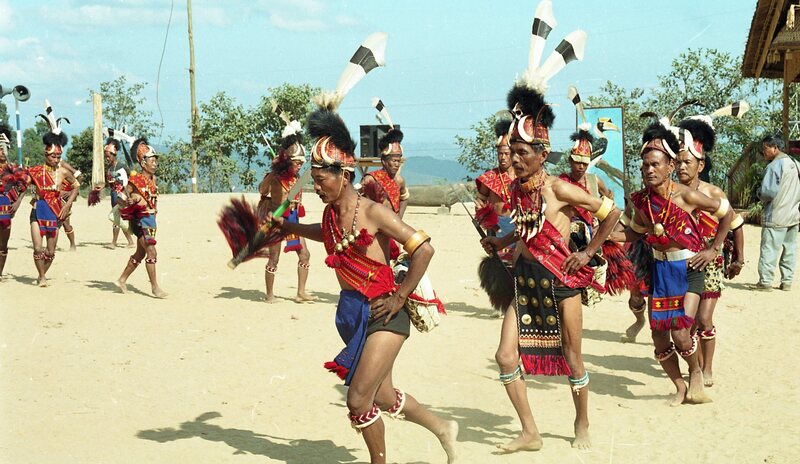
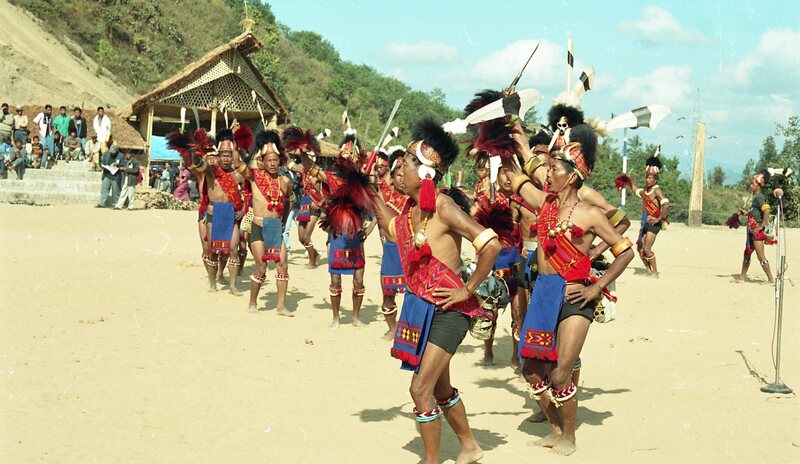
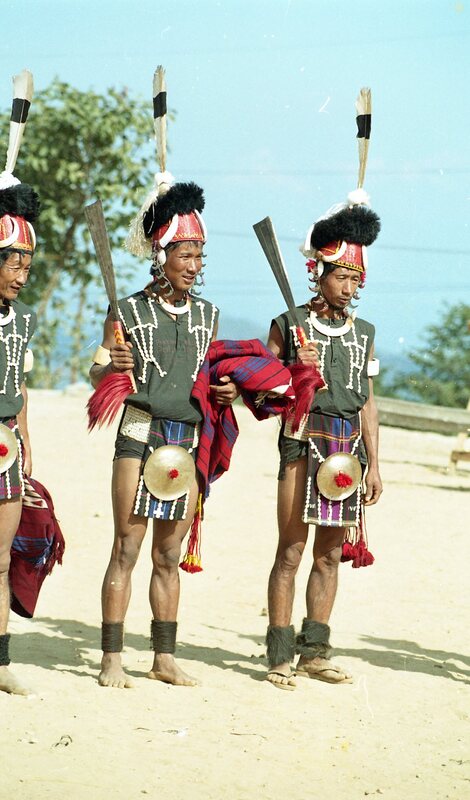
Nagas’ Right to Self Determination is refused to recognize in order to remain the whole Naga territory under Indian dominion. Therefore, to decide Nagas destiny, the plebiscite was conducted on May 16, 1951, throughout the Naga territories and 99.9% Nagas voted in favor of Naga Sovereign Independence. Until today Nagas declaration of independence in1947 has not been recognized by UN, India, and Burma.
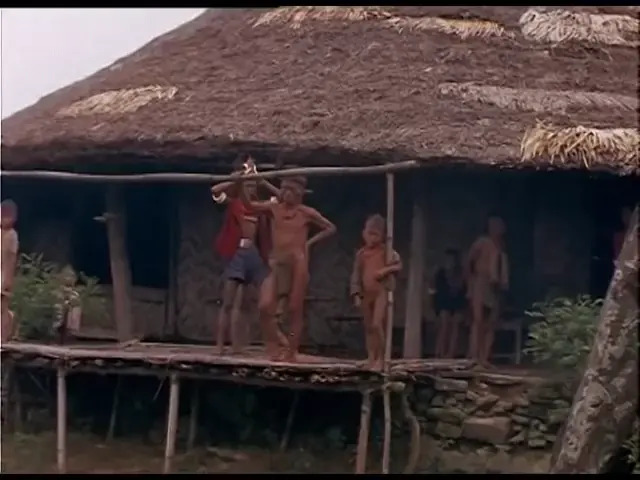
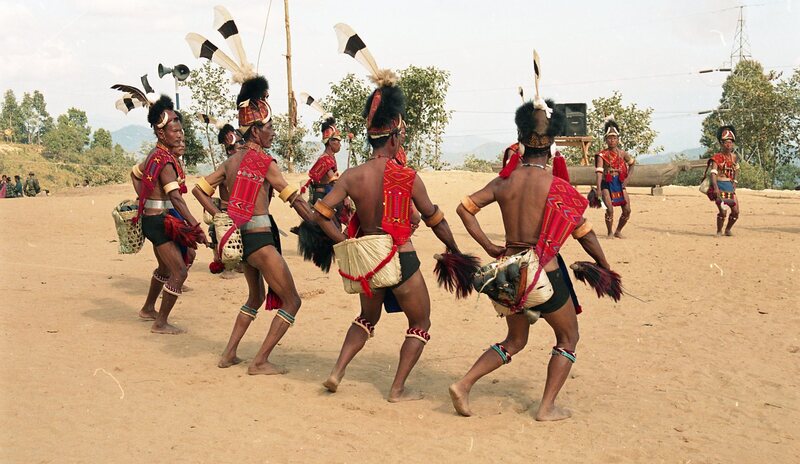
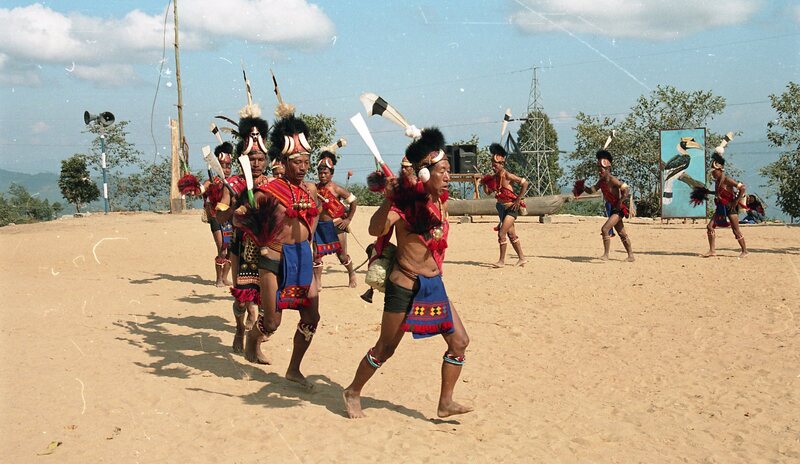
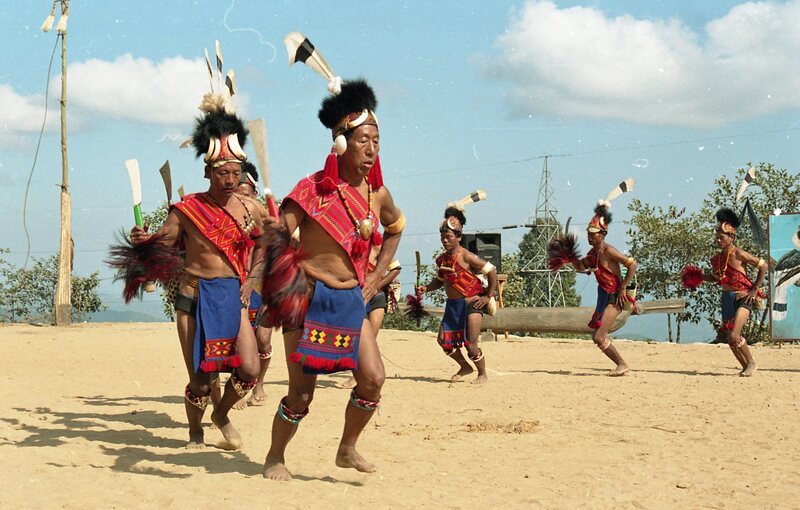
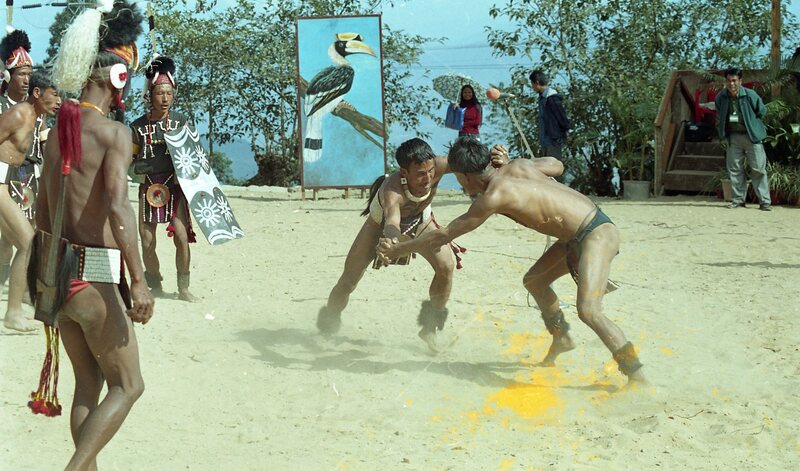
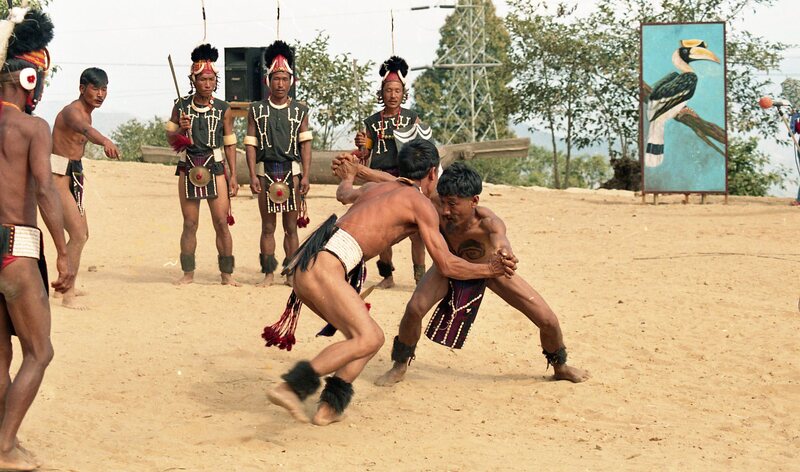
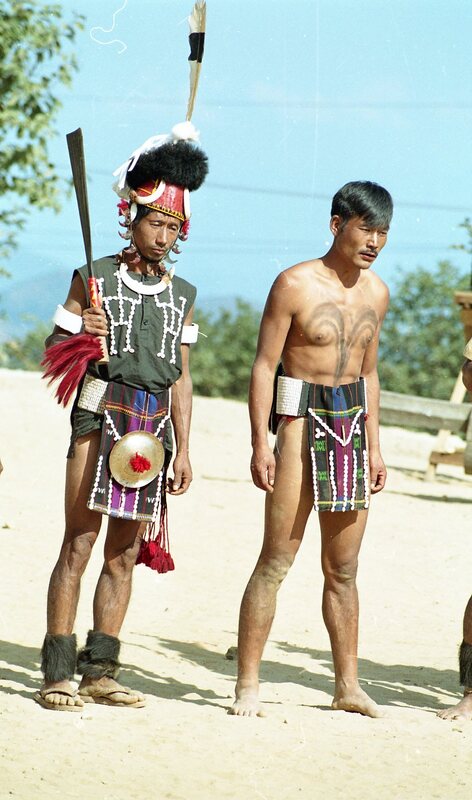
Return visit to Naga Community. The Christoph von Fürer-Haimendorf Film Archive is housed at the School of Oriental and African Studies in London where Fürer-Haimendorf was Professor.
The Christoph von Fürer-Haimendorf Film Archive is housed at the School of Oriental and African Studies in London where Fürer-Haimendorf was Professor.
A 24 hour strike is called by Assamese militants to protest against the opening of the first session of the newly elected Assembly. There is heavy security in the state capital Gauhati, and other parts of Assam after recent anti-assembly uprisings.
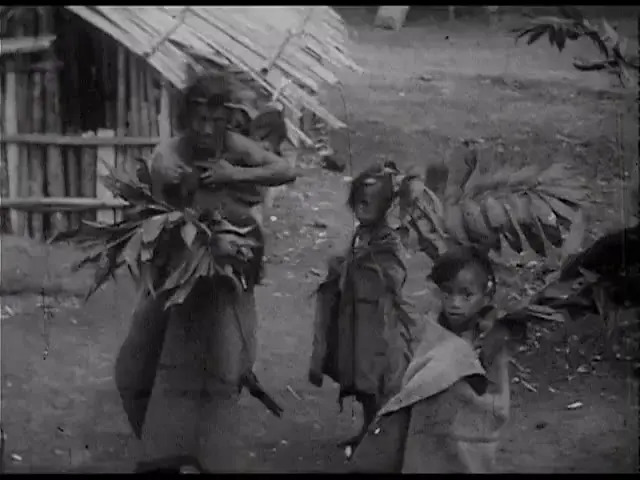
The Men Who Hunted Heads, Audio is not correctly synched. The Christoph von Fürer-Haimendorf Film Archive is housed at the School of Oriental and African Studies in London where Fürer-Haimendorf was Professor.
This film depicts the early lifestyles of the people of Mizoram. They live together as a clan. They do not seek individual profits but always concerns for the clan. In Bachelor Dormitory a discussion is held to decide the various need of the particular clan.
The film illustrates the changes the Lepcha of the Dzongu reserve, North Sikkim, have been through in the last 60 years. From the 1940s, the Lepcha of Tingvong village gradually abandoned hunting, gathering and the slash and burn cultivation of dry rice, and became settled agriculturalists. Entire mountains sides were converted to cardamom and terraced for the cultivation of irrigated paddy. The irrigated rice and the cardamom cash crop not only brought the Lepcha within Sikkim’s market economy but helped create a surplus which could among other things be invested in religion. In the 1940s, the Lepcha of Tingvong embraced Buddhism and all its complex rituals without however abandoning their strong shamanic traditions. Today, both forms of rituals amiably co-exist in the village.