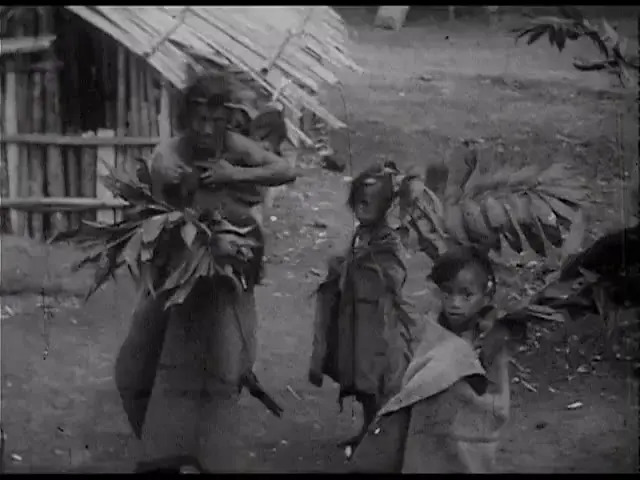
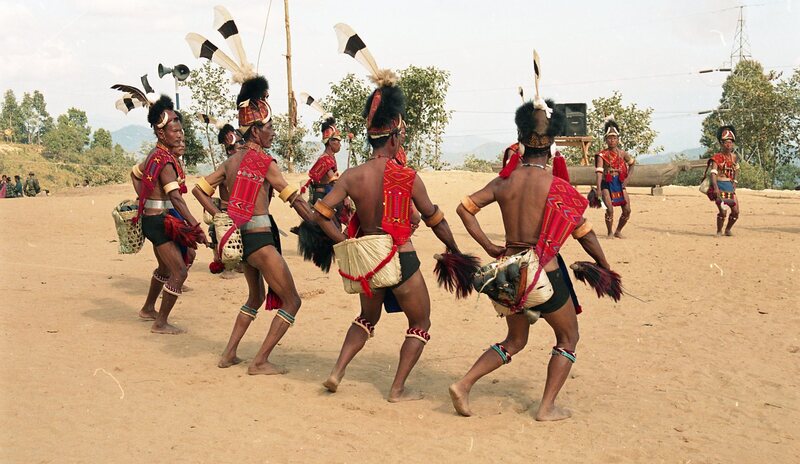
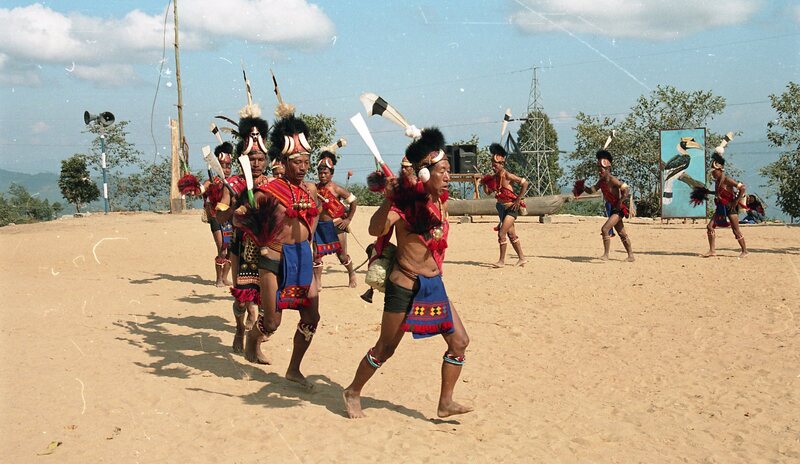
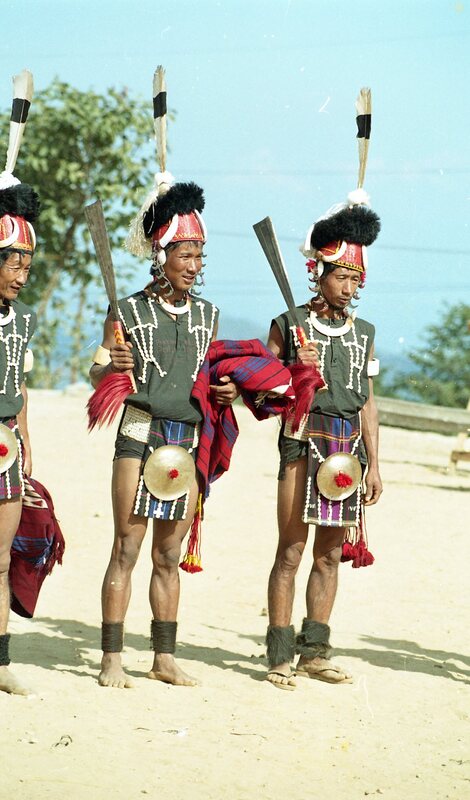
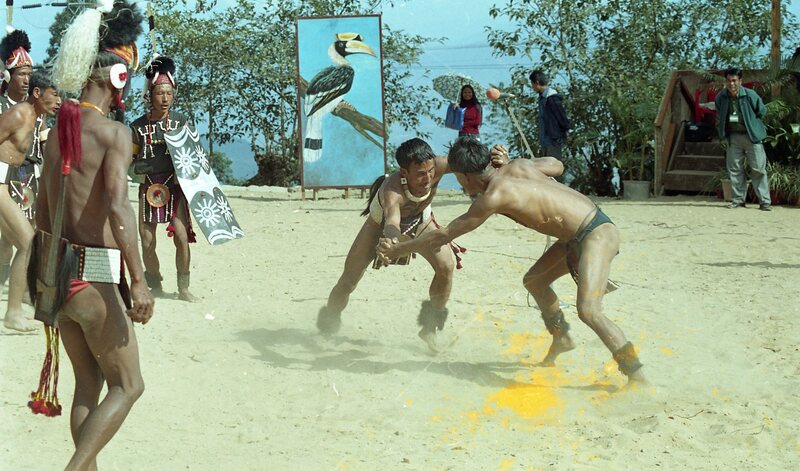
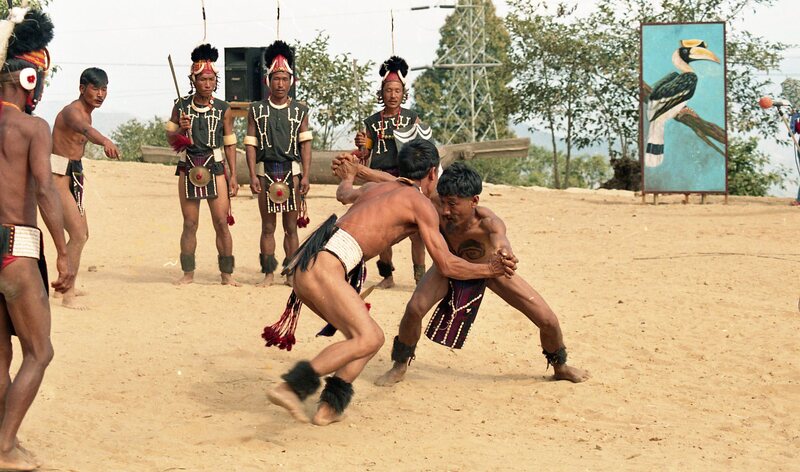
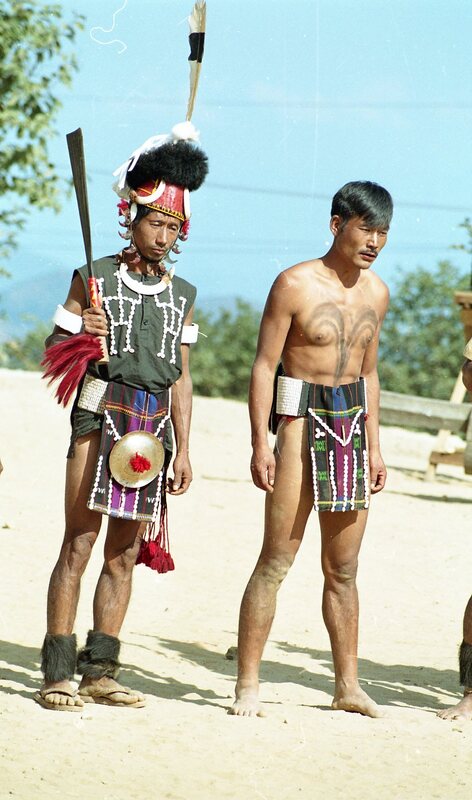
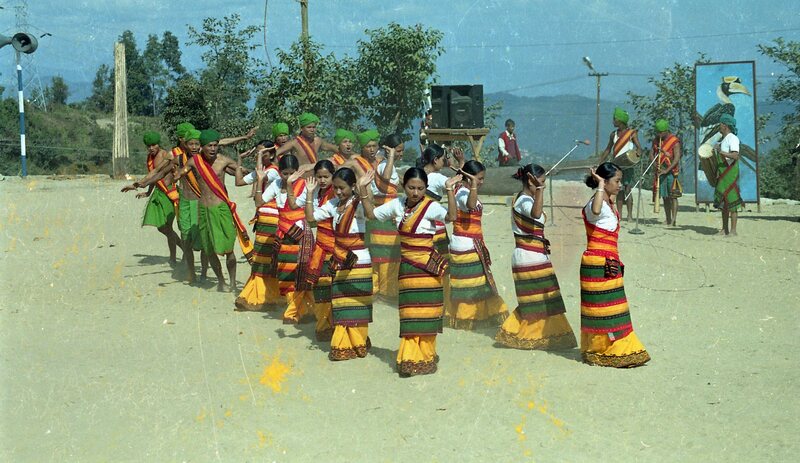
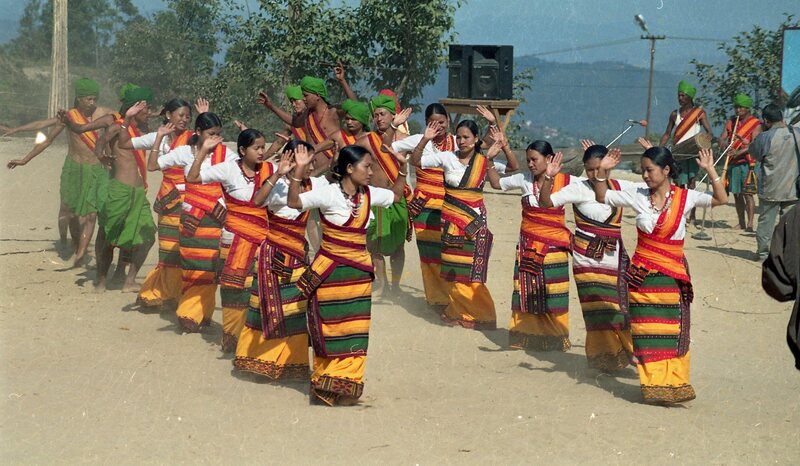
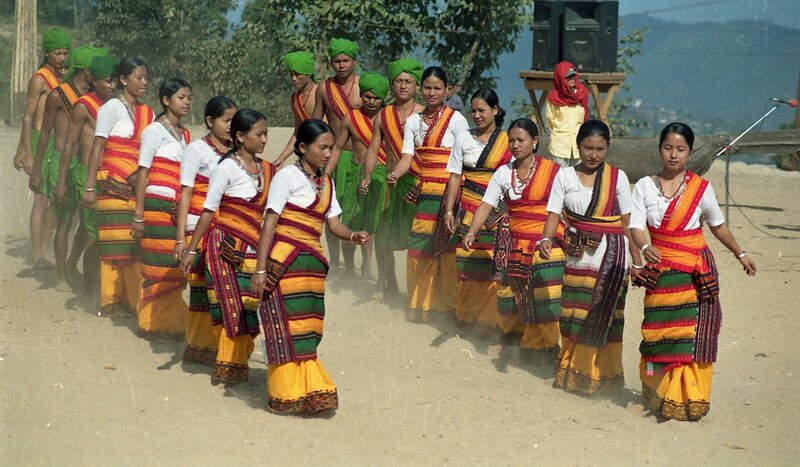
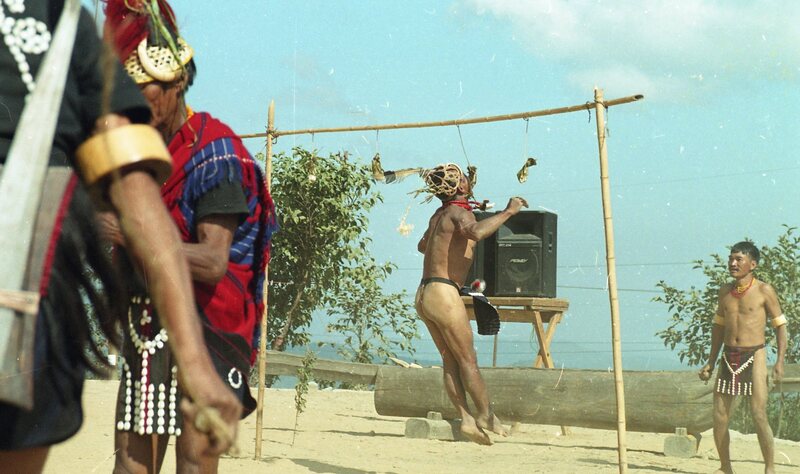
The Christoph von Fürer-Haimendorf Film Archive is housed at the School of Oriental and African Studies in London where Fürer-Haimendorf was Professor.
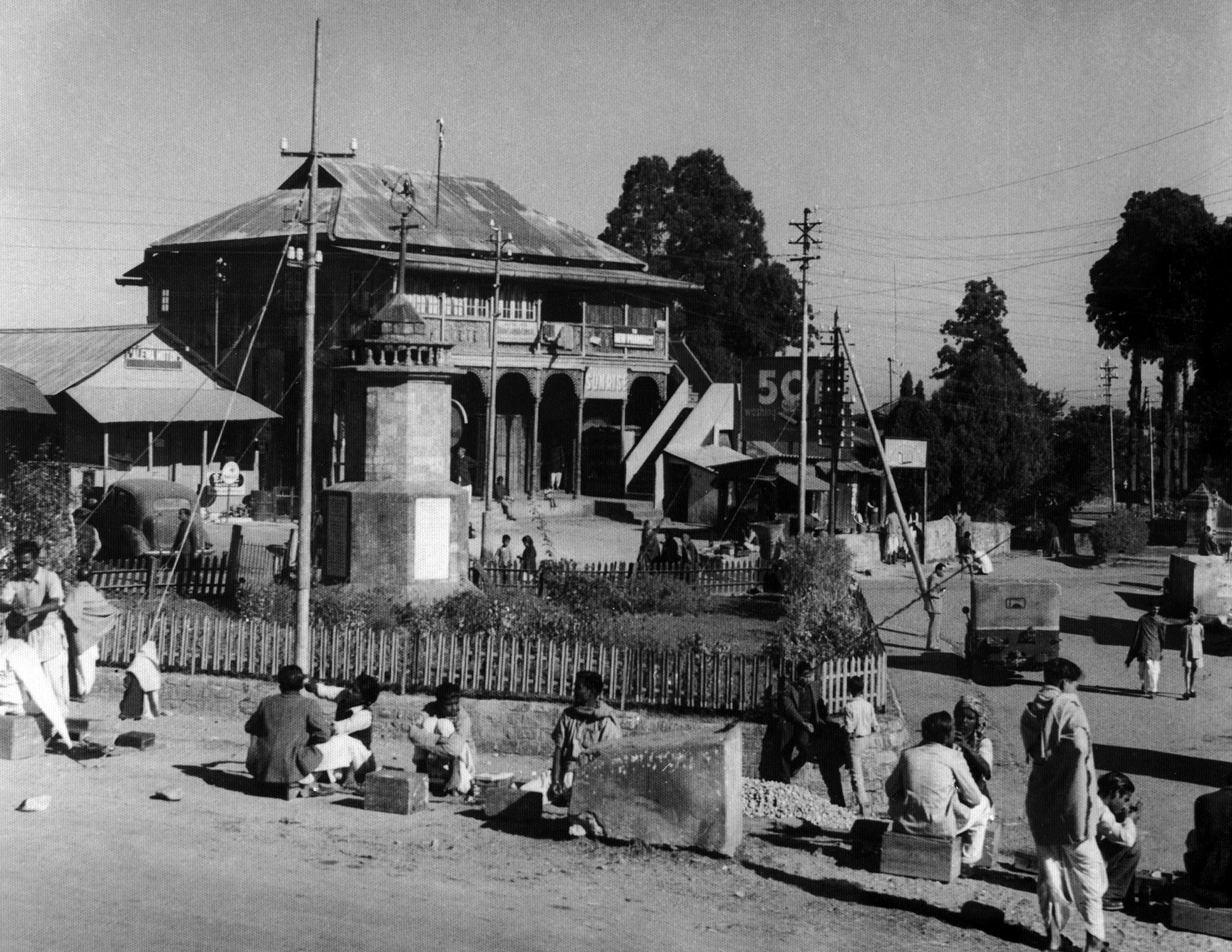
A 24 hour strike is called by Assamese militants to protest against the opening of the first session of the newly elected Assembly. There is heavy security in the state capital Gauhati, and other parts of Assam after recent anti-assembly uprisings.
The Men Who Hunted Heads, Audio is not correctly synched. The Christoph von Fürer-Haimendorf Film Archive is housed at the School of Oriental and African Studies in London where Fürer-Haimendorf was Professor.
This film depicts the early lifestyles of the people of Mizoram. They live together as a clan. They do not seek individual profits but always concerns for the clan. In Bachelor Dormitory a discussion is held to decide the various need of the particular clan.
The film illustrates the changes the Lepcha of the Dzongu reserve, North Sikkim, have been through in the last 60 years. From the 1940s, the Lepcha of Tingvong village gradually abandoned hunting, gathering and the slash and burn cultivation of dry rice, and became settled agriculturalists. Entire mountains sides were converted to cardamom and terraced for the cultivation of irrigated paddy. The irrigated rice and the cardamom cash crop not only brought the Lepcha within Sikkim’s market economy but helped create a surplus which could among other things be invested in religion. In the 1940s, the Lepcha of Tingvong embraced Buddhism and all its complex rituals without however abandoning their strong shamanic traditions. Today, both forms of rituals amiably co-exist in the village.